![AI Virtual Staging: Does It Actually Work? [Before & After Examples]](/_next/image?url=%2Fimg%2Freal-rooms%2F4.webp&w=1920&q=75)
When virtual staging first emerged, the results were often obviously fake — furniture that floated above floors, lighting that didn't match the room, styles that clashed with the architecture. In 2026, that's no longer the case. AI-generated staging has reached a level of realism that surprises even skeptics. Here's an honest look at how it works and what you can realistically expect.
How AI Virtual Staging Works
Modern virtual staging uses diffusion-based AI models (the same underlying technology as Midjourney and Stable Diffusion) trained specifically on interior design data. The model analyzes the perspective, lighting, and spatial geometry of your room photo, then generates furniture and decor that fits naturally into the scene.
The key difference from older methods: the AI doesn't paste pre-made furniture cutouts into the image. It synthesizes new pixels that match the existing light sources, floor reflections, and shadows — which is why the results look believable rather than composited.
What Makes a Great Source Photo
The quality of the output depends heavily on the input. The best results come from:
- Well-lit rooms with natural daylight (avoid harsh flash shadows)
- Wide-angle shots that capture the full room context
- Straight, level camera angles (not tilted)
- Clean, empty floors without clutter or furniture remnants
Living Room: Before & After
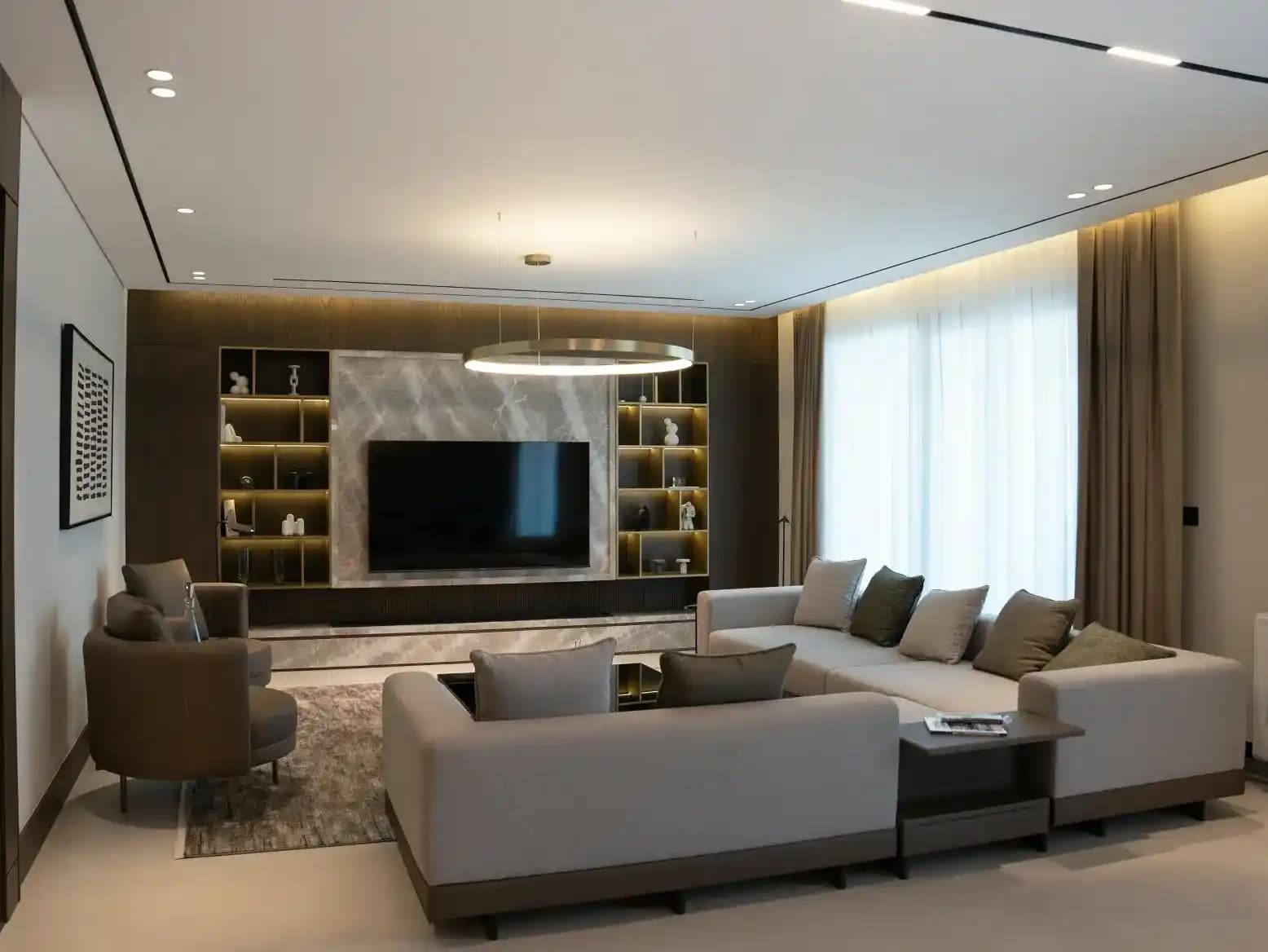
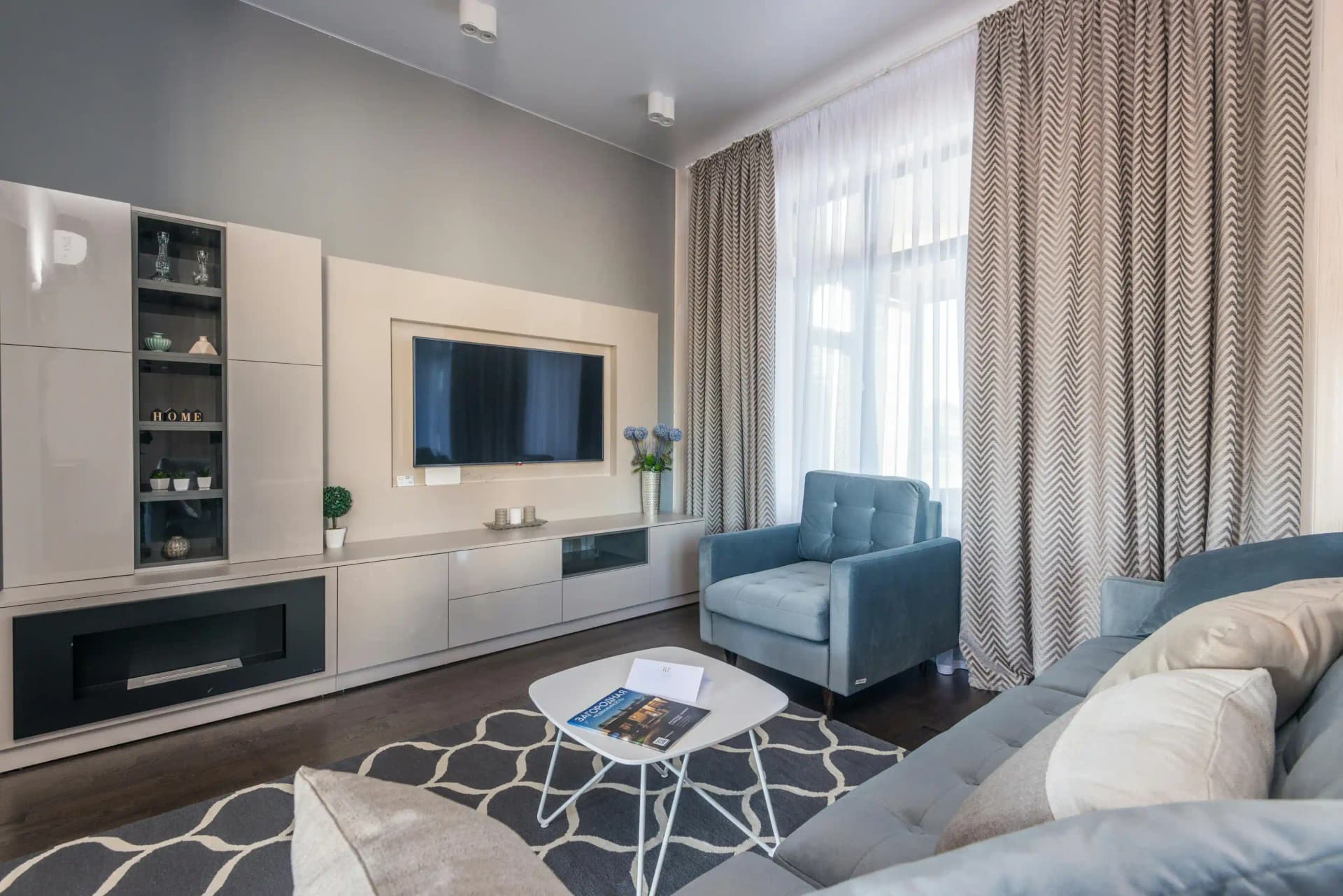
An empty living room with bare floors and white walls becomes a warm, modern space with a sectional sofa, coffee table, area rug, and curated accessories — all generated in under 90 seconds. The AI correctly places shadows under the furniture consistent with the window light in the source photo.
Bedroom: Before & After
A bare bedroom with no context is transformed into a Scandinavian-style suite with a platform bed, nightstands, pendant lights, and a textured accent wall treatment — while leaving the existing window trim and flooring unchanged.
Kitchen: Before & After
Kitchens are harder because the existing cabinetry, countertops, and appliances must be preserved while adding styling elements. AI staging adds bar stools, a bowl of fruit, a pendant light over the island, and small appliances — without overwriting the existing architecture.
Limitations to Be Honest About
AI staging isn't perfect. Very dark rooms, heavily distorted wide-angle shots, or photos with significant motion blur will produce lower-quality results. The AI can also occasionally misinterpret architectural features or add furniture in awkward positions. Most good tools let you regenerate results until you get one that works.
The Verdict
Yes, AI virtual staging actually works — and in 2026, it works remarkably well. For the majority of listing photos, the results are photorealistic enough that buyers can't distinguish them from physical staging. The technology has crossed the quality threshold where it genuinely helps sell homes, and the economics make it a no-brainer for agents who list vacant properties.