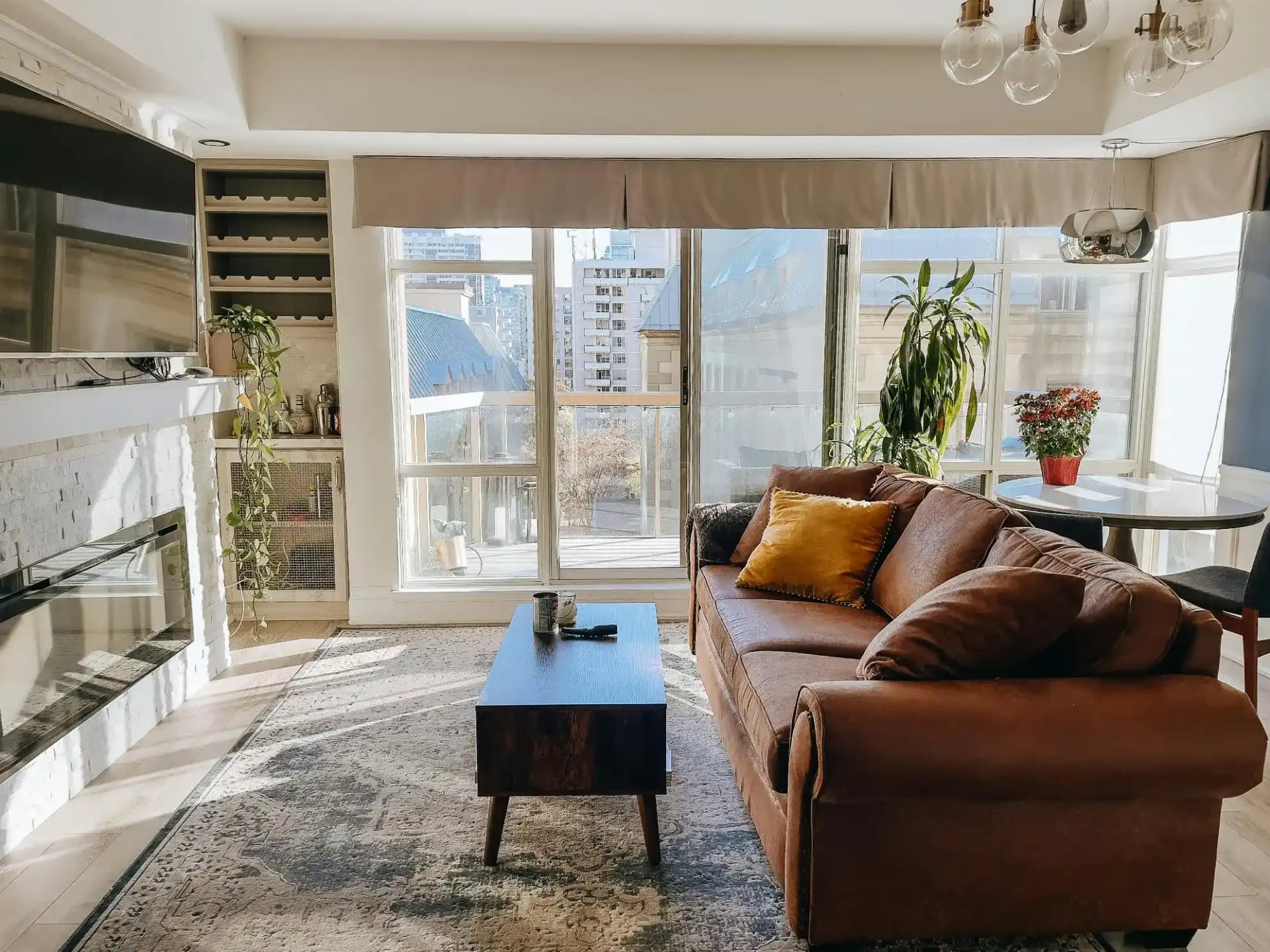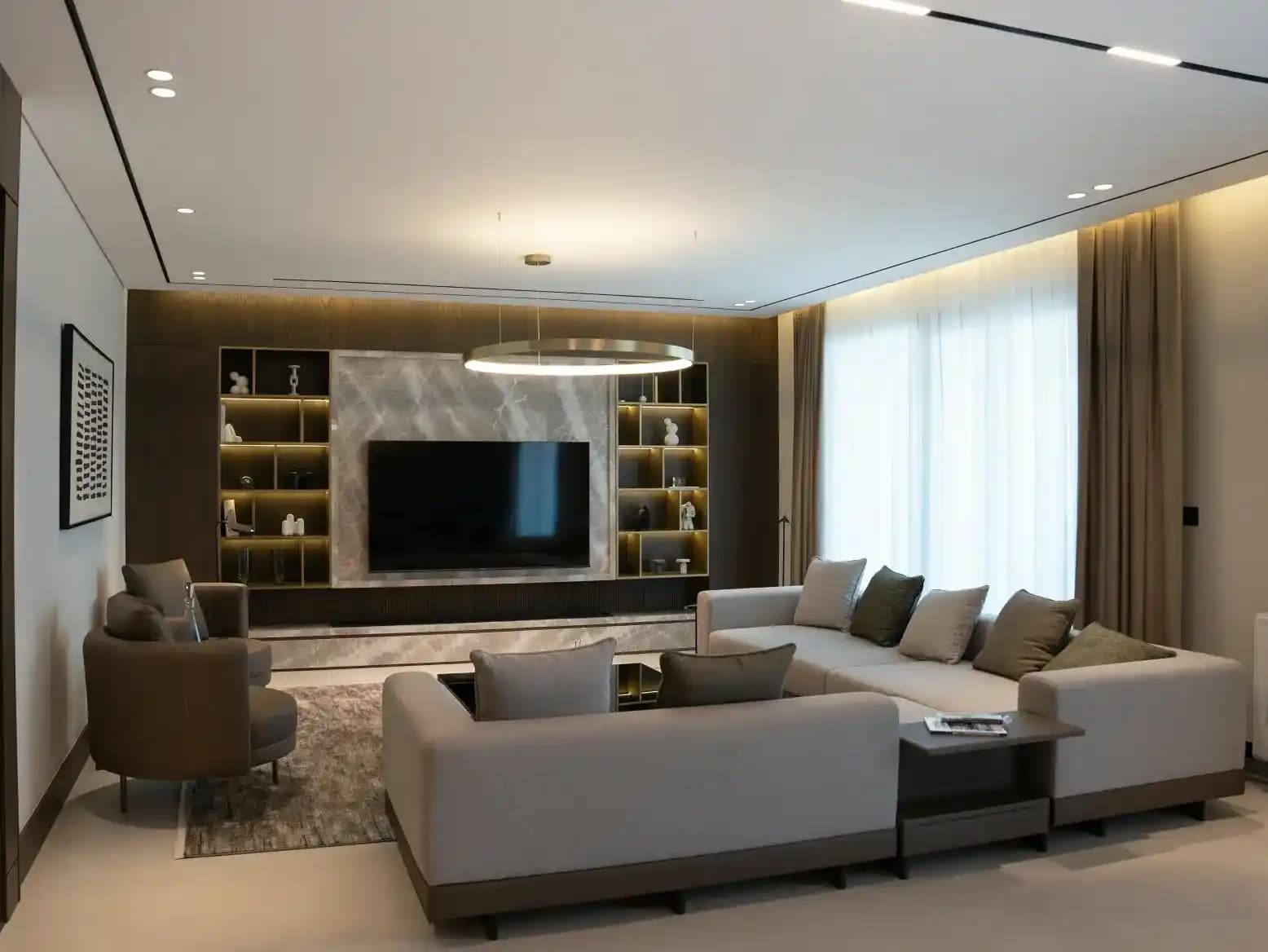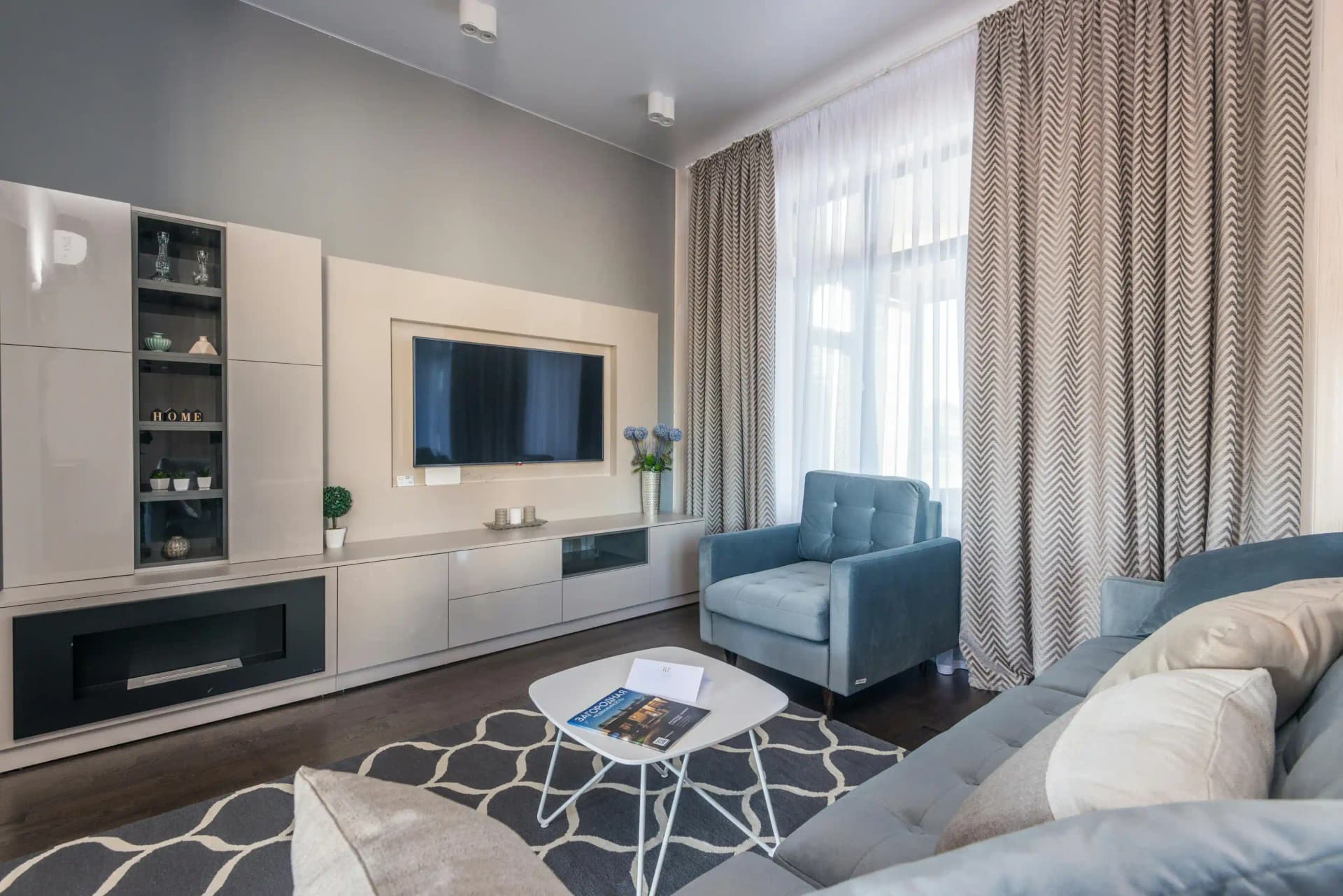
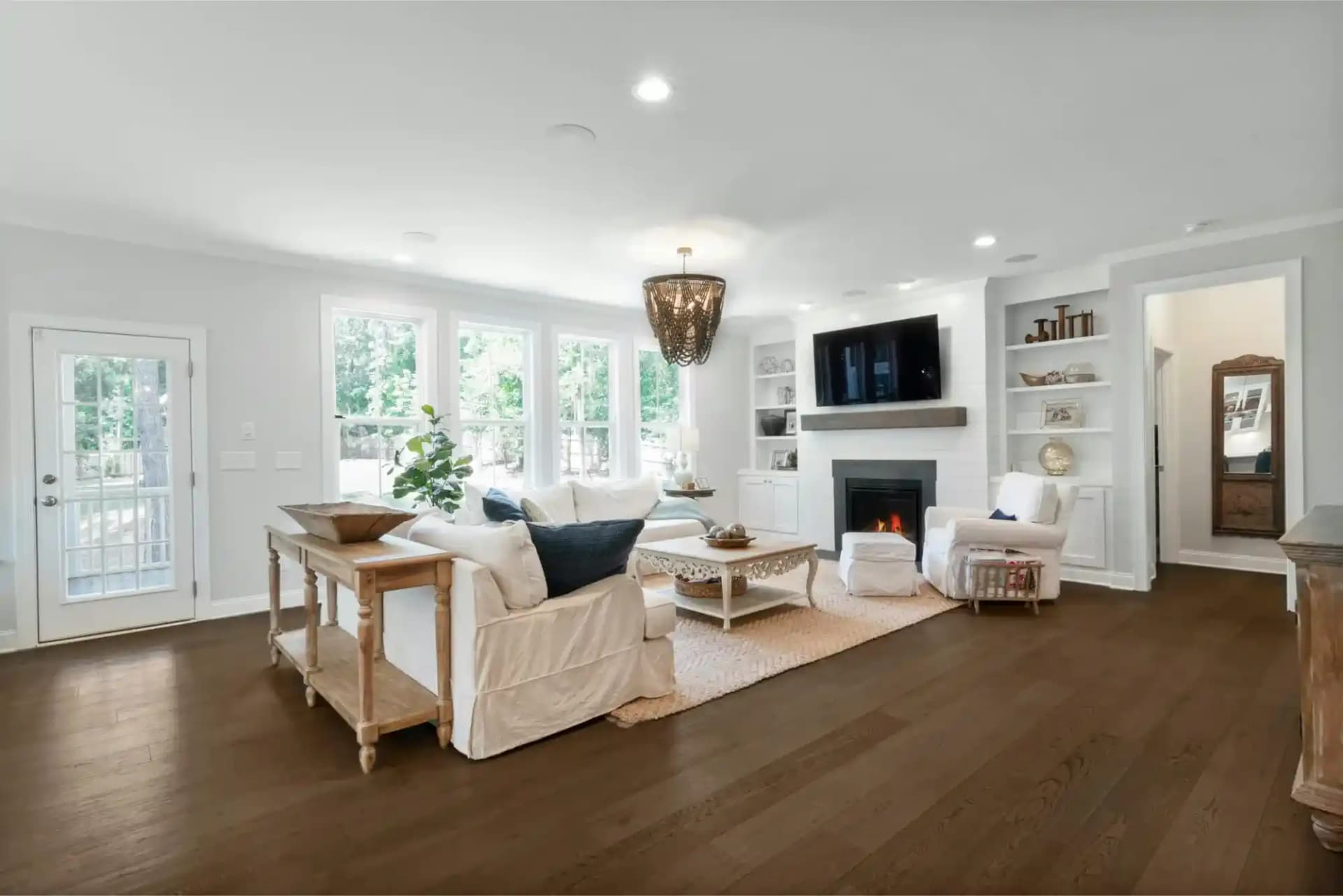
If you're a real estate photographer, you're already in the room. You're already setting up the shot, managing the light, and delivering polished images. Adding virtual staging to your service offering is the logical next step — and it's an opportunity to meaningfully increase your per-project revenue without proportionally increasing your time.
Why Photographers Are the Natural Home for Virtual Staging
Agents trust their photographers to make listings look great. When you offer virtual staging alongside photography, you become a one-stop solution — eliminating the coordination overhead of using a separate staging service. Agents will pay a premium for simplicity.
How to Package It
Offer virtual staging as an add-on to your existing packages. Typical structures that work well:
- Per-room add-on: $35–$75 per room staged. Simple, transparent, easy for clients to understand.
- Bundle packages: "Standard Shoot + 4 Staged Rooms" at a bundled price point. Encourages upsell at booking.
- Full vacant home package: Premium tier for fully vacant listings that includes photography + all rooms virtually staged. Commands $400–$800+ for a full-service shoot.
Pricing Strategy
Your cost per room using AI staging tools like QuickStaging is $3–$15. Charging $50 per room gives you a margin of $35–$47 per room with about 5 minutes of effort. For a 4-room vacant home, that's an additional $140–$188 revenue for roughly 20 minutes of post-processing work.
At 3 vacant shoots per week, that's an additional $400–$550/week — or $20,000–$28,000/year in incremental annual revenue.
Workflow Integration
The key to making virtual staging profitable as a photographer is workflow efficiency:
- Shoot the empty rooms as you normally would (no changes to your shooting process)
- After culling and editing, select the hero shots for each room
- Upload to QuickStaging, select room type and style (often pre-agreed with the agent)
- Generate and download — typically under 2 minutes per room
- Deliver staged images alongside your standard edited photos
No design skills required. No learning curve beyond using the tool itself.
How to Sell It to Agents
Most agents don't need convincing once they see a before/after comparison. Lead with visuals in your pitch. Show a specific listing from your portfolio — their listing, if possible — with a virtually staged version. The conversion rate from demo to add-on sale is high when the result speaks for itself.
Also emphasize the time savings: "I handle the staging so you don't have to coordinate with a separate company." Agents value their time.
Setting Expectations with Clients
Be transparent that photos are virtually staged — most listing platforms and regulations require disclosure. This isn't a problem; buyers understand and expect digital enhancements in listing photography. Frame it as a premium service, not a shortcut.
Getting Started
Start by offering virtual staging to your next three vacant listing clients at no additional charge. Use those results to build your portfolio and then introduce paid pricing. The proof is in the images — once agents see the quality, the selling is done.